Inside Deadlock’s Files: Hidden Heroes, Old Names, and the Real Damage Math
The game ships with a lot more than it shows you — dozens of heroes you’ve
never seen, the code names they were built under, and the actual numbers behind every item.
Recovered from build 6864 · static analysis only·updated November 2026
Deadlock’s tooltips are famously a little imprecise. Numbers get rounded,
stacking rules get fuzzy, and the community has spent a lot of time arguing about what’s really
going on under the hood.
So I did the thing you’re not really supposed to do: I opened up the game’s own files.
No mods, no cheats, no touching a live game — just carefully reading what Valve already ships on
your hard drive. Everything below comes straight from those files. Where I’m guessing rather than
quoting, I say so.
1There are 67 heroes in the files — and you’ve never seen most of them
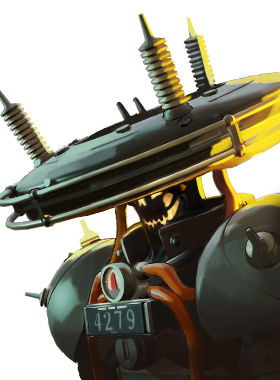
The released roster is somewhere around 30 heroes. The files contain 67. A whole pile
of them are clearly unfinished or abandoned: placeholder names like Punk Goat, Vampire
Bat, Rat King, Unicorn, and Magician. Several have complete weapon kits
and full portrait art. A handful are just stubs with a name and nothing else.
This is a rare look at how a live-service hero game is actually made: characters get sketched, named,
given a kit and a piece of key art — and most of them never make it out of the pipeline.
The portrait art in the files doesn’t always match the hero’s current name — because the
art was painted under an older code name. It’s a tidy little fossil record of renames:
Dynamo was “Sumo.” The Ghost was “Spectre.” Viper was “Kali.”
Infernus was just “Inferno.” The code still references the old names in its art paths, which is
how these leaked.
3Item prices aren’t hidden in the code after all
Community tools have long claimed you can only find item prices by digging through the executable.
It turns out they’re just sitting in a plain data file:
800 · 1600 · 3200 · 6400 · 9999
That’s the tier price table. Every item simply says “I’m tier 3,” and tier 3
costs 3200 souls. Simple as that.
4Your health is a whole number — but damage isn’t
Here’s the weirdest thing in the whole report, and my favorite.
Your health bar is an integer — 830, 1259, whatever. But the damage you take is a decimal.
The game keeps a hidden running remainder: get hit for 5.5, and it subtracts 5 now, then banks the 0.5
and adds it to the next hit.
Two consequences. First, fractional damage never gets thrown away — it accumulates.
Second, any damage calculator that rounds each hit on its own will quietly drift away from what the game
actually does over the course of a fight. verified
5Every item’s real stats are spelled out in the data
Each item in the files states, in plain numbers, exactly what it does — using one shared list of
stats the whole game pulls from. A few you might recognize:
Hollow Point Rounds — +35% weapon damage, +125 health, and it shreds enemy bullet armor.
Ancient Shield — +40% bullet resistance and +40% spirit resistance.
Fervor / Vampire — 10% / 15% bullet lifesteal.
Basic Magazine — +30% clip size.
Here’s the full item list with the real numbers, straight from the files:
Basic Magazine+30% Clip Size · +8% Weapon Damage800 soulsClose Quarters+20 Close Range Weapon Damage Increase · +15m Bonus Weapon Damage Close Range Max Range800 soulsExtra Charge+1 Bonus Ability Charges · +7 Spirit Power800 soulsExtra Health+210 Bonus Health800 soulsExtra Regen+2.5/s Health Regen · +1.5/s OOC Regen800 soulsExtra Spirit+10 Spirit Power800 soulsExtra Stamina+1 Stamina · +12 Stamina Regen Per Second Percentage800 soulsFire Rate+8% Fire Rate800 soulsHeadshot Booster+30 Bonus Health800 soulsHealth Regen+2.75/s Health Regen800 soulsHigh Velocity Rounds+45% Bullet Speed · +8% Weapon Damage800 soulsMelee Lifesteal+12% Melee Damage800 soulsMonster Rounds+25 Weapon Damage To Npc Increase · +1/s OOC Regen800 soulsMystic Reach+20% Spirit Range · +20% Spirit Radius800 soulsRapid Rounds+9% Fire Rate800 soulsRebuttal+75 Bonus Health · +1.25 Parry Cooldown Reduction Fixed800 soulsResilience+25 Bonus Health · +7% Spirit Lifesteal800 soulsRestorative Shot+6% Weapon Damage800 soulsSlowing Tech+12 Movement Speed Slow Percent800 soulsSpirit Strike-6 Tech Resist Reduction800 soulsSprint Boots+2m Sprint Speed · +2/s OOC Regen800 soulsStabilizer+100 Movement Speed While Shooting Penalty Reduction Percent · +100 Movement Speed While Zoomed Penalty Reduction Percent800 soulsArcane Eater+7% Fire Rate1600 soulsArcane Surge+15% Ability Duration · +20 Spirit Power1600 soulsBackstabber+50 Bonus Health · -6 Bullet And Melee Resist Reduction1600 soulsBase Armor+125 Bonus Health · +2/s Health Regen1600 soulsBullet Lifesteal+15% Bullet Lifesteal · +90 Bonus Health1600 soulsBullet Resilience+18% Bullet Resist1600 soulsBullet Resist Shredder-10 Bullet And Melee Resist Reduction · +9% Weapon Damage1600 soulsClarity+2m Move Speed1600 soulsClip Size+6 Clip Size1600 soulsClose Range+8% Fire Rate · +50% Weapon Damage1600 soulsDebuff Reducer+25% Status Resist · +90 Bonus Health1600 soulsDuration Extender+22% Ability Duration1600 soulsEnchanters Emblem+15 Spirit Power · +18% Spirit Resist1600 soulsEnduring Speed+2m Move Speed · +25 Movement Slow Resistance1600 soulsFast Reload+5 Weapon Power1600 soulsFire Rate Plus+15% Fire Rate1600 soulsHealbane+7 Spirit Power · -35 Heal Amp Receive Percent1600 soulsHealing Booster+20 Heal Amp Cast Percent · +20 Heal Amp Regen Percent1600 soulsHealth+200 Bonus Health1600 soulsImproved Cooldown+18% Cooldown Reduction1600 soulsImproved Spirit+18 Spirit Power · +1m Sprint Speed1600 soulsKinetic Dash+25% Fire Rate · +6 Clip Size1600 soulsLong Range+40 Long Range Bullet Damage Increase · +15m Bonus Bullet Damage Long Range Min Range1600 soulsMelee Charge+6% Bullet Resist · +10% Melee Damage1600 soulsMystic Shot+7 Spirit Power1600 soulsMystic Slow+24 Movement Speed Slow Percent · -12 Movement Ground Dash Reduction Percent1600 soulsMystic Vulnerability-8 Tech Resist Reduction · +8% Spirit Resist1600 soulsOpening Rounds+7 Spirit Power · +60% Bullet Speed1600 soulsQuicksilver Reload+10% Fire Rate1600 soulsSlowing Bullets+24 Movement Speed Slow Percent · -20 Movement Ground Dash Reduction Percent1600 soulsSpirit Resilience+15% Spirit Resist1600 soulsSpirit Shredder Bullets-8 Tech Resist Reduction · +10 Tech Damage Taken Heals Attacker1600 soulsSuppressor+6 Spirit Power · +28 Fire Rate Slow1600 soulsSwift Striker+20% Fire Rate · +0.75m Sprint Speed1600 soulsTech Duration Extender+20% Ability Duration1600 soulsTitanic Magazine+100% Clip Size · +14% Weapon Damage1600 soulsAdrenaline Rush+48% Weapon Damage · +30% Fire Rate3200 soulsAlchemical Seal+22% Spirit Range · +22% Spirit Radius3200 soulsArcane Medallion+35 Spirit Power3200 soulsAuto Reloader+20 Clip Size · -25% Reload Time3200 soulsBerserker+8% Bullet Resist3200 soulsCounterspell+20 Spirit Power · +1.75m Move Speed3200 soulsEscalating Resilience+2% Bullet Resist · +18% Weapon Damage3200 soulsFire Rate Plus Plus+25% Fire Rate3200 soulsFortitude+1.5m Move Speed · +375 Bonus Health3200 soulsGreater Expansion+30% Spirit Range · +30% Spirit Radius3200 soulsHeadhunter+5% Weapon Damage · +50 Bonus Health3200 soulsHollow Point+35% Weapon Damage · +4.5/s OOC Regen3200 soulsLifestrike+48 Movement Speed Slow Percent · +16% Melee Damage3200 soulsPoint Blank+50 Close Range Weapon Damage Increase · +20 Movement Speed Slow Percent3200 soulsRapid Recharge+30 Cooldown Between Charge Reduction Percentage · +2 Bonus Ability Charges3200 soulsSharp Shooter+10% Weapon Damage · +60 Long Range Bullet Damage Increase3200 soulsSpirit Snatch-12 Tech Resist Reduction · +12% Spirit Resist3200 soulsStamina Mastery+2 Stamina · +18 Stamina Regen Per Second Percentage3200 soulsSuperior Cooldown+20% Cooldown Reduction · +4/s OOC Regen3200 soulsSuperior Duration+28% Ability Duration · +8% Bullet Resist3200 soulsSurge Of Power+28 Spirit Power · +20% Fire Rate3200 soulsTankbuster+50 Bonus Health3200 soulsTech Range+30% Spirit Range · +30% Spirit Radius3200 soulsToxic Bullets-40 Heal Amp Receive Percent · -40 Heal Amp Regen Percent3200 soulsVeil Walker+125 Bonus Health · +6 Spirit Power3200 soulsWeighted Shots+30% Weapon Damage · +22% Status Resist3200 soulsArmor Piercing Rounds+60% Bullet Speed · +8% Weapon Damage6400 soulsBoundless Spirit+30 Spirit Power · +75 Bonus Health6400 soulsCrushing Fists+12% Bullet Resist · +22% Melee Damage6400 soulsDetention Rounds+100 Bonus Health · +15% Fire Rate6400 soulsElectrified Bullets+3m Move Speed6400 soulsFrenzy+160 Bonus Health · +15% Fire Rate6400 soulsHealing Tempo+35% Fire Rate · +1.25m Move Speed6400 soulsInhibitor+150 Bonus Health · -30 All Damage Multiplier6400 soulsLightning Scroll+64 Movement Speed Slow Percent · +50 Bonus Health6400 soulsLucky Shot+30% Clip Size6400 soulsMercurial Magnum+7 Spirit Power · +22% Fire Rate6400 soulsPlated Armor+130 Bonus Health6400 soulsSilencer+12% Spirit Resist · -25 Tech Damage Multiplier6400 soulsSpell Slinger+5% Cooldown Reduction · +11% Fire Rate6400 soulsSpellbreaker+18% Spirit Resist · +25% Status Resist6400 soulsSpirit Burn+6% Spirit Range · +6% Spirit Radius6400 soulsSpiritual Overflow+8 Spirit Power · +15% Spirit Lifesteal6400 soulsTech Damage+25% Ability Duration · +10 Imbued Bonus Damage6400 soulsTranscendent Cooldown+25% Cooldown Reduction · +25 Item Cooldown Reduction Percentage6400 soulsWitchmail+14 Spirit Power · +22% Spirit Resist6400 soulsAerial Mastery+7 Stamina · +70 Air Move Distance Increase Percent9999 soulsAncient Shielding+40% Status Resist · +40% Spirit Resist9999 soulsCloak Of Opportunity+500 Barrier Health · +3m Move Speed9999 soulsEldritch Shot-40 All Damage Multiplier · -40 Heal Amp Receive Percent9999 soulsEternal Gift-70 Respawn Time Percentage9999 soulsFrostbite+50% Cooldown Reduction · +70 Spirit Power9999 soulsIcarus Wings+120 Stamina Regen Per Second Percentage · +100 Air Control Percent9999 soulsInfinite Rounds+200% Bullet Speed · +35% Fire Rate9999 soulsPatrons Blessing+40 Spirit Power · +40% Spirit Range9999 soulsRuned Gauntlets+150 Melee Travel Distance Percentage · +50% Melee Resist9999 soulsTimeless Emblem+50% Cooldown Reduction · +50% Spirit Range9999 souls
6Every ability has its own hidden scaling number
When an ability says it “scales with Spirit Power,” the game isn’t using one universal
formula — each ability carries its own multiplier. Infernus’s Fire Bomb scales at about 0.98 per
point of Spirit, while his Incendiary Projectile scales at 0.6. That’s why some abilities feel like
they spike much harder with Spirit investment than others do.
7What I still don’t know (and won’t pretend to)
A few things remain genuinely unresolved, and I’d rather flag them than guess silently:
The exact resistance formula — how bullet or spirit armor turns into “you take less damage.”
How weapon power multiplies your bullet damage.
The full spirit-scaling curve — the shape of that per-ability multiplier as Spirit climbs.
These are the next targets. In the calculator below, anything I’m still working out is marked
as an estimate rather than a verified number.
8I turned it into a calculator
Everything above is wired into a small build calculator — pick a hero, add items, and watch the
DPS, health, resistance and ability damage update live, with a cost total. It shows you which numbers are
pulled straight from the game and which are best guesses.
Everything in this report was recovered by reading Deadlock’s shipped files on
disk — no modified game, no live memory reading, no leaked source. Figures marked
verified are quoted directly from the data; anything else is labeled
estimate.